

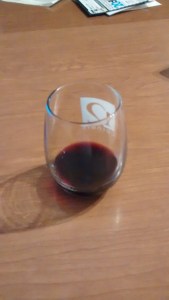
On the third day a wedding took place at Cana in Galilee. Jesus’ mother was there, and Jesus and his disciples had also been invited to the wedding. When the wine was gone, Jesus’ mother said to him, “They have no more wine.” “Woman, why do you involve me?” Jesus replied. “My hour has not yet come.” His mother said to the servants, “Do whatever he tells you.” Nearby stood six stone water jars, the kind used by the Jews for ceremonial washing, each holding from twenty to thirty gallons. Jesus said to the servants, “Fill the jars with water” ; so they filled them to the brim. Then he told them, “Now draw some out and take it to the master of the banquet.” They did so, and the master of the banquet tasted the water that had been turned into wine. He did not realize where it had come from, though the servants who had drawn the water knew. Then he called the bridegroom aside and said, “Everyone brings out the choice wine first and then the cheaper wine after the guests have had too much to drink; but you have saved the best till now.” What Jesus did here in Cana of Galilee was the first of the signs through which he revealed his glory; and his disciples believed in him. After this he went down to Capernaum with his mother and brothers and his disciples. There they stayed for a few days. – John 2:1-12
I have been looking forward to this reach of the river. It is such an interesting mixture of miracle, metaphor, and mystery. There are also many layers and nuances of meaning here. Let’s dive in!
The miracle part is pretty obvious, it is not every day someone is able to instantaneously change water into wine. Jesus performs this miracle in a quiet way out of the spotlight so He is clearly not seeking to gain fame from His actions. Most of the miracles that Jesus chooses to do have some connection to building a stronger relationship with either the recipient of the miracle or people looking onto the miraculous event. It seems like this miracle was mainly for the benefit of the disciples who were with Jesus at the wedding. It was a start toward changing their worldview and convincing them that they are seeing something new and different.
Of course the miracle of turning water into wine happens every day all around the world. The difference in this case is the rate, complexity, and director of this changing process. In order to make really good wine, as is described in this passage, requires a master vintner who has many decades of experience, good raw materials and supplies, and patience. Jesus’ instantaneous transmutation of the water into wine required none of these things. Turning all of us flawed followers into faithful children God, on the other hand, requires a master vintner indeed.
The metaphorical meaning here is that Jesus is changing the water baptism of John the Baptist, and all the old practices and traditions, into new wine. This part of the metaphorical meaning is highlighted in the containers for the water that was changed “Nearby stood six stone water jars, the kind used by the Jews for ceremonial washing”. Jesus was taking the former practices of making oneself “clean” and turning them into something much better and more complex, wine. Not just any wine but wine that clearly was superior to other wines that people might consume. Jesus is using this event to teach His disciples that He will be doing the same thing with them and all those who choose to follow Him in the future.
It is also interesting that this miracle takes place at a wedding given the common imagery of bride and groom between God and Israel. Jesus’ mother says to Jesus “They have no more wine”. In many ways this was an apt description of the religious leaders of the day. The keepers of the old treasures are not interested in the new song that Jesus is bringing.
The people who witness Jesus’ miracle is also an important detail to the story. The author makes it clear that the “master of the banquet”, AKA the religious leaders, “did not realize where it had come from, though the servants who had drawn the water knew.” This is an early example of the way that Jesus will overturn many of the power and privilege structures in favor of common people willing to drop everything and follow Him.
Jesus was hesitant to perform this miracle as “My hour has not yet come.” I am not sure why His mother was pushing His early coming out as the Messiah. Perhaps she was merely proud of Her son and interested in demonstrating his divinity. I am not sure. I suspect that Jesus did not want to distract from His core message of transformation by a dramatic transmutation.
The passage ends with a clear explanation for why Jesus changed the water into wine, “What Jesus did here in Cana of Galilee was the first of the signs through which he revealed his glory; and his disciples believed in him”. Jesus will reveal his glory in many other ways to help His disciples, and all subsequent seekers, to believe. God really does believe in us and wants to make us into the most amazing wine ever. Unfortunately His disciples, and many of us subsequent seekers, will have difficulty seeing and understanding these revelations so that we can be changed.
Prayer: God help us to see Your miracles and revelations so we can be turned into the new wine that You want us to be.

 The next day John saw Jesus coming toward him and said, “Look, the Lamb of God, who takes away the sin of the world! This is the one I meant when I said, ‘A man who comes after me has surpassed me because he was before me.’ I myself did not know him, but the reason I came baptizing with water was that he might be revealed to Israel.” Then John gave this testimony: “I saw the Spirit come down from heaven as a dove and remain on him. And I myself did not know him, but the one who sent me to baptize with water told me, ‘The man on whom you see the Spirit come down and remain is the one who will baptize with the Holy Spirit.’ I have seen and I testify that this is God’s Chosen One.” – John 1:29-34


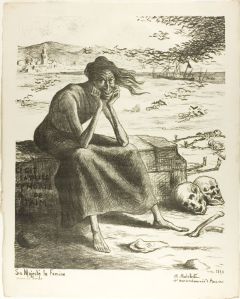 As the soldiers led him away, they seized Simon from Cyrene, who was on his way in from the country, and put the cross on him and made him carry it behind Jesus. A large number of people followed him, including women who mourned and wailed for him. Jesus turned and said to them, “Daughters of Jerusalem, do not weep for me; weep for yourselves and for your children. For the time will come when you will say, ‘Blessed are the childless women, the wombs that never bore and the breasts that never nursed!’ Then “ ‘they will say to the mountains, “Fall on us!” and to the hills, “Cover us!” ’ For if people do these things when the tree is green, what will happen when it is dry?” – Luke 23:26-31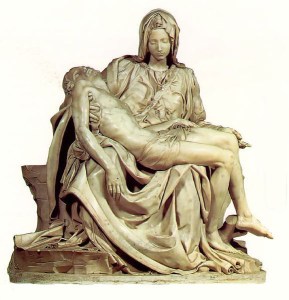

 “There will be signs in the sun, moon and stars. On the earth, nations will be in anguish and perplexity at the roaring and tossing of the sea. People will faint from terror, apprehensive of what is coming on the world, for the heavenly bodies will be shaken. At that time they will see the Son of Man coming in a cloud with power and great glory. When these things begin to take place, stand up and lift up your heads, because your redemption is drawing near.” – Luke 21:25-28
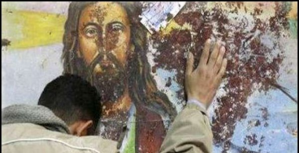 As he approached Jerusalem and saw the city, he wept over it and said, “If you, even you, had only known on this day what would bring you peace—but now it is hidden from your eyes. The days will come upon you when your enemies will build an embankment against you and encircle you and hem you in on every side. They will dash you to the ground, you and the children within your walls. They will not leave one stone on another, because you did not recognize the time of God’s coming to you.” – Luke 19:41-44
.jpg%2F230px-Guild_Navigator-Dune_(1984).jpg&f=1&nofb=1)

 I am writing this on Thanksgiving so I will be brief. I have so much to be thankful for in this strange year of COVID-19 including a wonderful family, good health, food and shelter, a steady job and income, and enough free time to engage in things like this blog.
  In 2020, the Walking on Water blog was visited by people from 118 counties from Antigua to Zimbabwe, with 5,767 pages viewed and 4,315 visits.
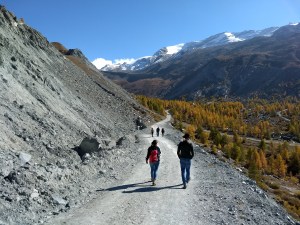 Jesus said to his disciples: “Things that cause people to stumble are bound to come, but woe to anyone through whom they come. It would be better for them to be thrown into the sea with a millstone tied around their neck than to cause one of these little ones to stumble. So watch yourselves. “If your brother or sister sins against you, rebuke them; and if they repent, forgive them. Even if they sin against you seven times in a day and seven times come back to you saying ‘I repent,’ you must forgive them.” The apostles said to the Lord, “Increase our faith!” He replied, “If you have faith as small as a mustard seed, you can say to this mulberry tree, ‘Be uprooted and planted in the sea,’ and it will obey you. – Luke 17:1-6
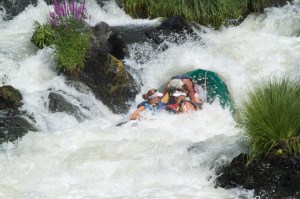 “There was a rich man who was dressed in purple and fine linen and lived in luxury every day. At his gate was laid a beggar named Lazarus, covered with sores and longing to eat what fell from the rich man’s table. Even the dogs came and licked his sores. “The time came when the beggar died and the angels carried him to Abraham’s side. The rich man also died and was buried. In Hades, where he was in torment, he looked up and saw Abraham far away, with Lazarus by his side. So he called to him, ‘Father Abraham, have pity on me and send Lazarus to dip the tip of his finger in water and cool my tongue, because I am in agony in this fire.’ “But Abraham replied, ‘Son, remember that in your lifetime you received your good things, while Lazarus received bad things, but now he is comforted here and you are in agony. And besides all this, between us and you a great chasm has been set in place, so that those who want to go from here to you cannot, nor can anyone cross over from there to us.’ “Abraham replied, ‘They have Moses and the Prophets; let them listen to them.’ “ ‘No, father Abraham,’ he said, ‘but if someone from the dead goes to them, they will repent.’ “He said to him, ‘If they do not listen to Moses and the Prophets, they will not be convinced even if someone rises from the dead.’ ” – Luke 16:19-31


 Walking on Water